Loud Garage Door Causes and How to Fix Them
A noisy garage door can be more than just an annoyance. It can signal underlying issues that, if left unattended, might lead to costly repairs or even safety hazards. As someone who has worked on countless garage doors in Sarasota and Manatee Counties, I want to share some clear, practical advice on why your garage door might be making all that racket and what you can do about it.
Common Loud Garage Door Causes
Understanding the root causes of a loud garage door is the first step toward fixing it. Here are some of the most frequent reasons your garage door might be noisy:
Worn or Dry Rollers: Garage door rollers help the door move smoothly along the tracks. Over time, these rollers can wear out or lose lubrication, causing squeaks and grinding noises.
Loose Hardware: Nuts, bolts, and screws can loosen with regular use. When parts are loose, the door can rattle or bang during operation.
Damaged or Misaligned Tracks: If the tracks are bent or out of alignment, the door won’t move smoothly, leading to loud scraping or banging sounds.
Old or Broken Springs: Springs bear the weight of the door. When they weaken or break, the door can slam shut or make loud popping noises.
Lack of Lubrication: Metal parts rubbing against each other without proper lubrication create friction and noise.
Worn Out Opener Components: Sometimes, the noise comes from the garage door opener itself, especially if the motor or gears are worn.
If you’re wondering why is my garage door so loud, these are the usual suspects. Identifying the exact cause will help you decide whether you can fix it yourself or if it’s time to call in a professional.

How to Identify Loud Garage Door Causes in Your Home
Before jumping into repairs, it’s important to diagnose the problem carefully. Here’s how you can check some of the common causes:
Inspect the Rollers
Open the garage door manually and look at the rollers. Are they cracked, chipped, or rusty? Try spinning them with your hand. If they don’t spin freely, they need attention.
Check for Loose Hardware
Use a wrench or screwdriver to gently tighten any loose bolts or screws on the door and tracks. Be careful not to overtighten, which can cause damage.
Examine the Tracks
Look along the metal tracks on both sides of the door. Are they bent or dented? Are they firmly attached to the wall? Misaligned tracks can cause the door to make loud scraping noises.
Listen to the Springs
When the door opens or closes, listen for any popping or snapping sounds. Springs under tension can be dangerous, so if you suspect a broken spring, don’t try to fix it yourself.
Test the Opener
Run the door using the opener and listen closely. Grinding or whining noises might mean the opener’s gears or motor need servicing.
By carefully checking these areas, you can narrow down the cause of your noisy garage door and decide on the best course of action.
How to Fix a Very Loud Garage Door?
Once you know what’s causing the noise, here are some practical steps you can take to quiet your garage door:
Lubricate Moving Parts
One of the easiest and most effective fixes is lubrication. Use a silicone-based or lithium grease lubricant on:
Rollers (especially if they are metal)
Hinges
Springs
Tracks (lightly, to avoid attracting dirt)
Avoid using WD-40 or oil-based lubricants as they can attract dust and grime, making the problem worse over time.
Replace Worn Rollers
If your rollers are plastic or worn out, consider replacing them with nylon rollers. Nylon rollers are quieter and more durable. Replacing rollers is a straightforward job if you’re comfortable with basic tools:
Disconnect the garage door opener.
Open the door manually.
Remove the old rollers by loosening the bolts.
Insert new rollers and tighten securely.
Tighten Loose Hardware
Go around the door and tighten any loose bolts, screws, and brackets. This simple step can reduce rattling and banging noises.
Realign or Repair Tracks
If the tracks are bent or misaligned, use a rubber mallet to gently tap them back into place. Make sure the tracks are parallel and level. If the damage is severe, you might need to replace the track sections.
Replace or Repair Springs
Springs are under high tension and can be dangerous to handle. If you suspect a broken or worn spring, it’s best to call a professional technician to replace it safely.
Service the Garage Door Opener
If the noise is coming from the opener, check the manufacturer’s manual for maintenance tips. Sometimes, replacing worn gears or tightening mounting brackets can reduce noise.
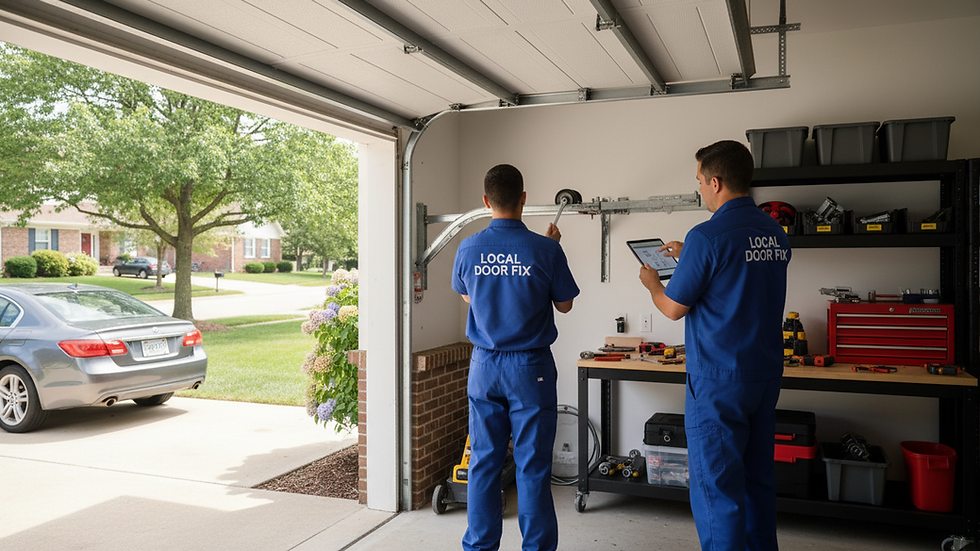
When to Call a Professional
While many garage door noises can be fixed with some DIY effort, certain situations require expert help:
Broken Springs: These are dangerous to replace without proper tools and training.
Severe Track Damage: If the tracks are badly bent or rusted, a professional can ensure proper alignment and safety.
Opener Motor Issues: Complex opener repairs or replacements are best handled by technicians.
Persistent Noise After DIY Fixes: If you’ve tried lubrication and tightening but the door is still loud, a professional inspection can uncover hidden problems.
Calling a local expert ensures your garage door is safe, reliable, and quiet. Plus, it saves you time and potential injury.
Keeping Your Garage Door Quiet Long-Term
To keep your garage door running smoothly and quietly, regular maintenance is key. Here are some tips to help you avoid noisy problems in the future:
Lubricate every 6 months: Regular lubrication keeps parts moving smoothly.
Inspect hardware quarterly: Tighten loose bolts and screws before they cause noise.
Clean tracks and rollers: Dirt and debris can cause friction and noise.
Test balance and springs annually: A balanced door reduces strain on parts.
Schedule professional tune-ups: A yearly check by a technician can catch issues early.
By staying on top of maintenance, you’ll enjoy a quieter garage door and avoid unexpected breakdowns.
If your garage door has been waking up the neighborhood or rattling your nerves, these tips should help you get it back to a smooth, quiet operation. Remember, safety first - if you’re unsure about any repair, especially involving springs or the opener, don’t hesitate to call a professional. A quiet garage door is not just a convenience - it’s a sign of a well-maintained home.
Happy fixing!


Comments